
How to Build a Wedding Day Timeline | A Cincinnati Wedding Photographer’s Guide
How to Build a Wedding Day Timeline That Actually Works
My biggest piece of advice? Bring your photographer into the timeline conversation early.
We can help you figure out how much time you’ll need for portraits, family photos, details, getting ready, sunset portraits, and all the little moments in between so you can spend less time watching the clock and more time enjoying your wedding day.
Your timeline is more than a list of times and locations. It’s the framework that helps your entire day flow smoothly, from getting ready in the morning to your grand exit at the end of the night.
A well-planned timeline gives you room to enjoy the moments you’ve spent so much time planning, while also making sure there’s enough time for the photos you care about.
As a wedding photographer, I’ve seen how much of a difference a thoughtfully planned timeline can make. So, here are some of my best tips for building a wedding day timeline that feels organized without making your day feel overly scheduled.
Start With the Things That Can’t Move
Before you start filling in every minute of the day, figure out which parts of your wedding have fixed times.
Your ceremony is usually the biggest one. If your ceremony starts at 4:00 PM, everything leading up to it needs to work backward from that time.
Other fixed events might include:
- Hair and makeup appointments
- Transportation
- Cocktail hour
- Reception entrance
- Dinner
- Toasts
- First dance
- Cake cutting
- Sunset portraits
- Grand exit
Once you know the immovable pieces, you can start building the rest of the day around them.
Work Backward From Your Ceremony
For many couples, the ceremony is the anchor point of the entire timeline.
For example, if your ceremony begins at 4:00 PM, you might want everyone tucked away and ready by 3:45. Family photos or wedding party photos may need to happen before that, and your getting-ready photos need to happen even earlier.
Working backward helps you identify how much time you actually have rather than trying to squeeze everything into whatever time happens to be available.
And this is where having your photographer involved early can be incredibly helpful. We can look at the photo portion of the day and tell you how much time you’ll realistically want for each part.
Build In More Time Than You Think You Need
This might be the most important timeline tip of all.
Give yourself a buffer.
Hair and makeup may run a little long. Someone may forget their shoes in the hotel room. Family photos might take an extra ten minutes. Your transportation could be delayed.
These things happen.
A timeline with absolutely no wiggle room can turn one small delay into a stressful afternoon.
Instead of planning every transition down to the minute, leave some breathing room between major events. You’ll be much happier having ten extra minutes than realizing you’re ten minutes behind with nowhere to make up the time.
Decide Whether You Want a First Look
One of the biggest decisions affecting your photography timeline is whether or not you want to do a first look.
A first look can allow you to see each other before the ceremony and take many of your portraits beforehand. This can mean more flexibility after the ceremony and potentially more time enjoying cocktail hour with your guests.
If you don’t want a first look, that’s completely fine too. It simply means we’ll plan most of your couple, wedding party, and family portraits around the time after the ceremony.
There isn’t a right or wrong choice. Think about what feels most like you, and then build your timeline around that decision.
Consider Whether You Want a Second Photographer Added On
Another decision that can make a big difference in your wedding day timeline is whether or not to have a second photographer added onto your wedding package.
While a second photographer isn’t necessary for every wedding, having an additional photographer can relieve a lot of pressure and allow more to happen simultaneously, especially during the getting-ready and portrait portions of the day.
For example, instead of having one photographer move back and forth between everyone, your lead photographer can stay with you and your bridal party while the second photographer captures the groom and groomsmen.
Your lead photographer might be photographing:
- Bridal details
- The bride getting ready
- Bridesmaids getting ready
- Bridal party portraits
- The bride’s parents and family
- The bride’s first look
Meanwhile, your second photographer can be capturing:
- Groom details
- The groom getting ready
- Groomsmen
- The groom’s parents and family
- Groomsmen portraits
- Candid moments happening on the other side of the venue
This can be especially helpful when you and your partner are getting ready at different locations or when your wedding party is large or your saving your first look for the ceremony.
Why a Second Photographer Can Make Your Timeline Easier
One of the biggest benefits of having a second photographer is that two things can happen at the same time.
Rather than your lead photographer needing to finish photographing the bridal party before heading over to photograph the groom and groomsmen, both groups can be photographed simultaneously.
That can save valuable time and create more breathing room in your schedule.
It also means you aren’t asking one photographer to constantly rush from one location to another.
And there’s another benefit that couples sometimes don’t think about: more of your wedding day can be documented.
While your lead photographer is photographing your bridal portraits, your second photographer might capture your partner laughing with their friends. While you’re taking family photos, they can photograph guests enjoying cocktail hour. Those additional perspectives help tell a more complete story of your wedding day.
A second photographer isn’t about adding more photographs simply for the sake of having more photographs. It’s about having another set of eyes available to document the moments happening around you while getting creative too.
If you’re trying to build a relaxed wedding timeline, a second photographer can be a valuable part of that plan
Give Your Photographer Time for the Details
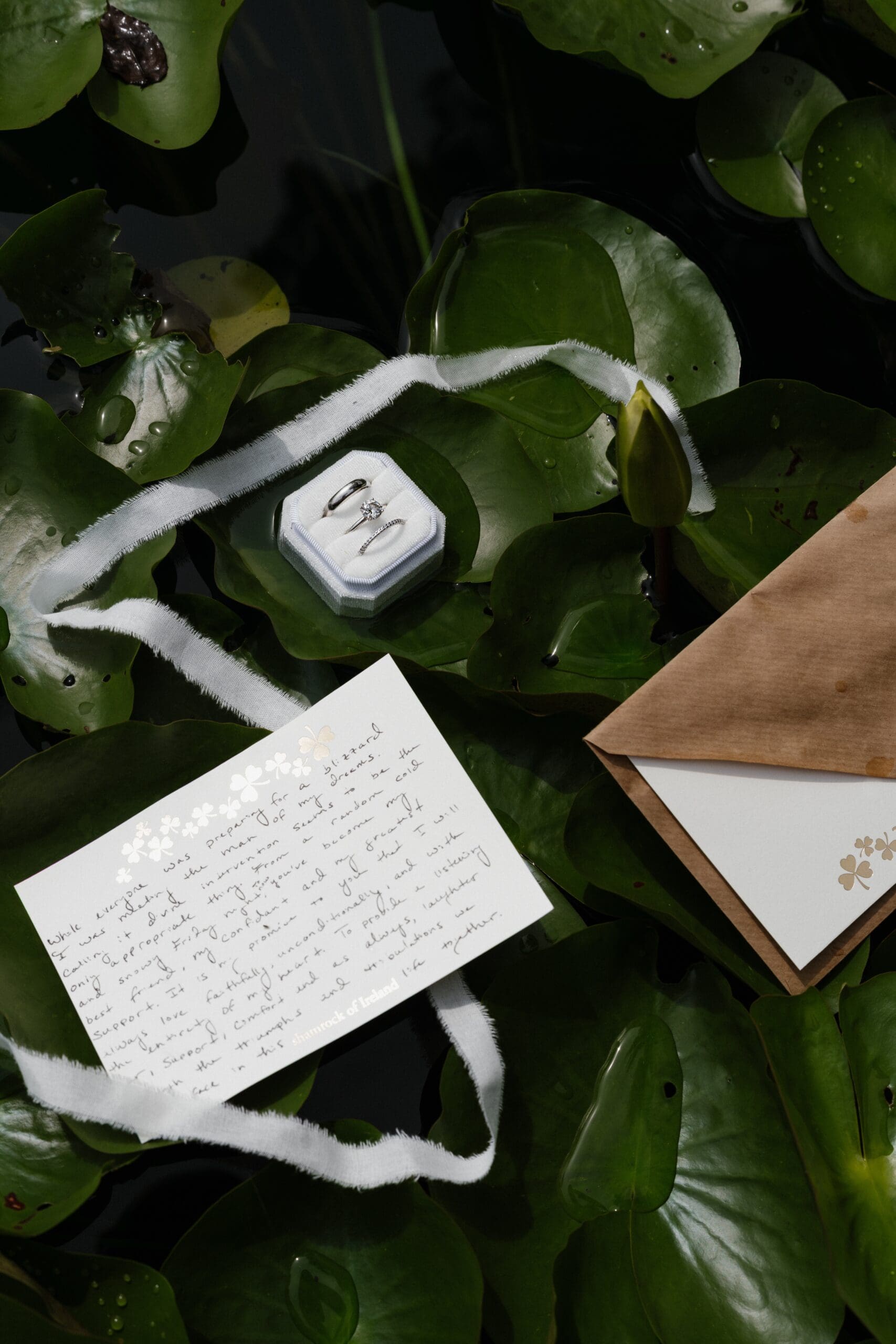
Before the day gets busy, I love having a little time to photograph the details.
Think about:
- Invitations and stationery
- Rings
- Shoes
- Jewelry
- Cufflinks
- Perfume or cologne
- Florals
- Dress or suit
- Veil
- Family heirlooms
- Special gifts or meaningful details
These photographs tell the story of your wedding day and help create a complete gallery.
If possible, gather these items together in one place before your photographer arrives. What I’ve learned works best is to have it all placed in a box with someone trusted that can hand it right over to the photographer when they arrive. It saves time and means you won’t have to search for individual pieces while you’re getting ready.
Don’t Forget About Getting Ready Photos
Getting-ready photos aren’t just about hair and makeup.
Some of my favorite moments happen during this part of the day. Your friends laughing together, parents helping with final touches, someone opening a meaningful gift, or the moment you put on your wedding attire.
I’d recommend allowing enough time for these moments to happen naturally.
If your photographer arrives when everyone is already dressed, bags are packed, and you’re walking out the door, there’s very little time to document the story of the morning.
A little extra time here can make a huge difference in remembering those small moments that made a big impact on how you felt going into your wedding day.
Plan Family Photos Before the Wedding Day
Family portraits can easily become one of the most time-consuming parts of a wedding day.
The best way to keep them moving is to make a shot list ahead of time.
Instead of simply writing “family photos,” create a specific list such as:
- Couple with both sets of parents
- Couple with bride’s parents
- Couple with groom’s parents
- Couple with siblings
- Couple with grandparents
- Couple with immediate family
- Any additional combinations that are especially important
Keep the list focused on the combinations you genuinely want.
It’s also incredibly helpful to designate someone who knows both families to help gather people. Your photographer shouldn’t have to spend ten minutes searching for Uncle Bob. Instead, provide your photographer with this list so that we can go down the list just like roll call to ensure you get all those family photos you want.
Remember That Travel Takes Time
If your ceremony and reception are at different locations, don’t forget to account for transportation.
And don’t just consider the drive itself.
Allow time for everyone to get into cars, gather at the transportation location, find parking, walk into the venue, and get settled.
If Google Maps says a drive takes 15 minutes, I wouldn’t necessarily build a timeline around exactly 15 minutes.
A little extra travel time can prevent a lot of unnecessary stress.
Think About Golden Hour
If beautiful sunset portraits are important to you, check the sunset time for your wedding date and location.
Golden hour can be one of the most beautiful opportunities for portraits, but it doesn’t always happen at a convenient time.
Your photographer can help you determine when to sneak away from the reception for a few minutes.
And don’t worry, you don’t need to disappear for an hour. Sometimes 10–15 minutes outside with your partner is enough to create some of the most memorable portraits of the entire day.
Don’t Schedule Every Moment
This may sound strange coming from a photographer who is telling you to make a timeline, but your wedding day shouldn’t feel like you’re constantly watching the clock.
Leave space for the unexpected.
Maybe your dad wants an extra hug before the ceremony. Maybe your bridal party starts laughing during portraits and nobody wants to stop. Maybe you and your partner want to spend an extra five minutes alone together.
Those unscripted moments are often the ones you’ll remember most.
Your timeline should create structure, not stress.
A Sample Wedding Day Timeline
Every wedding is different, but here’s an example of what a photography-friendly wedding day might look like:
12:00 PM — Photographer arrives
Details, venue, and getting-ready photographs begin.
1:00 PM — Getting-ready photos
Final hair and makeup moments, candid photos with friends and family, and finishing touches.
1:45 PM — Getting dressed
Dress/suit, jewelry, shoes, and other finishing touches.
2:15 PM — First look
A private moment together followed by a few couple portraits.
2:45 PM — Wedding party portraits
3:15 PM — Family portraits
3:45 PM — Guests begin arriving
4:00 PM — Ceremony
4:30 PM — Cocktail hour
Additional couple portraits, if needed, while guests enjoy cocktail hour.
5:30 PM — Reception begins
6:00 PM — Dinner
7:00 PM — Toasts and first dances
7:30 PM — Sunset portraits
A few minutes away together for golden-hour photographs.
7:45 PM — Open dancing
9:30 PM — Cake cutting / special events
10:00 PM — Grand exit
This is just an example. Your actual timeline should reflect your venue, priorities, traditions, guest count, photography coverage, and the overall experience you want to have.
The Best Wedding Timeline Is the One That Gives You Room to Enjoy Your Day
At the end of the day, your wedding timeline isn’t supposed to control your wedding. It’s supposed to support it.
Give yourself enough time to get ready without rushing. Give your photographer enough time to tell the story of the day. Give your guests enough time to enjoy themselves. And most importantly, give yourself permission to slow down and actually experience what’s happening.
When the timeline is thoughtfully planned, you don’t have to spend your wedding day worrying about what’s happening next.
You can simply be present.
And that’s when some of the best photographs happen.
Need Help Building Your Wedding Timeline?
If you’re feeling overwhelmed by building your wedding day schedule, don’t worry, you don’t have to figure it all out on your own.
Your photographer can be an important part of the timeline-planning process and can help you determine how much time to set aside for photographs while making sure the day still feels relaxed and enjoyable.
If you’re looking for a wedding photographer who will help you create a timeline that gives you beautiful photographs and time to actually enjoy your wedding day, I’d love to hear from you. I offer complimentary timeline building assistance.
October 6, 2026
Leave a Reply Cancel reply
@shots.by.shi


Be the first to comment